Stationery Holder Embroidery Design Review
If you have ever walked through a bustling weekend craft fair or scrolled endlessly through Etsy listings, you know that the difference between a browsing customer and a buying customer often comes down to that split-second visual impact. As an experienced embroidery designer who has spent years turning digital files into tangible, sellable goods, I look at every new design with one question in mind: Will this move off my table?
I recently reviewed the Stationery Holder machine embroidery design, and it immediately caught my eye. The description promises a "playful" and "whimsical touch," which are two of the most powerful words in the handmade market right now. In this review, I am breaking down exactly how this design performs as a commercial product, where it fits best in your booth display, and what practical considerations you need to keep in mind before you start stitching for profit.
First Impressions: Charm Meets Commerce
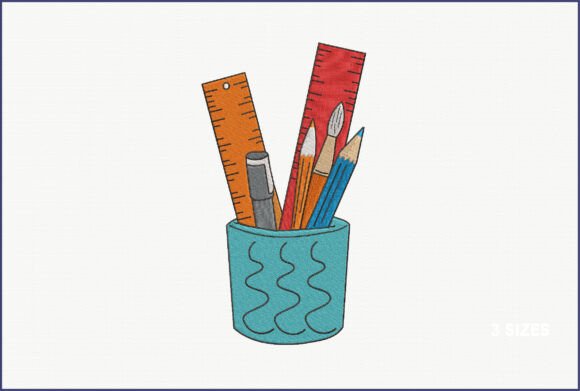
The moment I loaded the preview, the vibe was clear. This is not a heavy, ornate, or overly serious design. It feels light, approachable, and distinctly modern-rustic. For the School category, it hits a sweet spot that parents and teachers love without feeling like generic clip art. The whimsical nature of the Stationery Holder suggests utility mixed with delight—a concept that resonates deeply with anyone who organizes their life with cute tools.
When evaluating a digital embroidery file for resale, I always look for clarity. Does the design read well from three feet away? Yes. The playful aesthetic works because it relies on strong shapes rather than minute, hairline details that might get lost in production. This makes it an excellent candidate for a craft fair product where customers are scanning rows of tables quickly. It stands out as cheerful and functional.
Best Product Applications for Maximum Sales
Not every design sells equally well on every item. Based on my experience producing small shop products, here is where the Stationery Holder shines brightest.
Tote Bags and Market Bags
A tote bag design is perhaps the most versatile application for this file. Whether you use canvas, denim, or cotton duck, the playful nature of the design adds personality to a utilitarian item. Imagine a sturdy canvas tote with the Stationery Holder centered on the front pocket or placed slightly off-center for a more modern look. These are impulse buys at craft fairs because they are affordable, useful, and highly giftable. The design’s whimsy elevates a basic tote into a boutique item.
Apron Embroidery and Tea Towel Embroidery
Kitchen items are perennial sellers. For apron embroidery, place the design on the bib or the lower pocket area. It adds a splash of color and humor to the workspace. Similarly, tea towel embroidery is a low-cost entry point for buyers. A simple flour sack towel with this design feels premium but remains accessible. The key here is thread contrast; ensure your thread colors pop against the fabric texture of the towel.
Embroidered Patches and Caps
If the file includes a clean border or can be easily bordered, it translates beautifully into an embroidered patch. Patches allow customers to personalize hats, backpacks, or jackets. Additionally, placing this on the front panel of a baseball cap creates a classic handmade product that appeals to students and teachers alike. Just be mindful of the curved surface when testing your samples.
Pillow Covers and Home Decor
For a higher price point, consider small pillow covers. The Stationery Holder adds a cozy, organized feel to a nursery or home office. It fits the "farmhouse chic" trend without being cliché, making it attractive to a broad demographic of Etsy sellers and boutique makers.
Production Practicalities and Quality Control
As a designer, I cannot stress enough the importance of testing before bulk production. Even a charming design can fail if the technical execution is poor. Here are my critical notes for producing the Stationery Holder.
- Stitch Density: Check the stitch density carefully. If the design is too dense, it may pucker on lightweight fabrics like tea towels. If it is too sparse, it may look thin on heavy canvas. Adjust the stitch count in your software if necessary to balance durability and appearance.
- Hoop Size and Stability: Confirm the recommended hoop size. A design that requires frequent re-hooping will slow down your production line significantly. Aim for designs that fit comfortably in a standard 5x7 or 6x10 hoop to maximize efficiency.
- Stabilizer Selection: Use the right stabilizer for your fabric. Cut-away stabilizer is generally safer for woven bags and caps to prevent distortion over time, while tear-away may suffice for stable cotton towels. Incorrect stabilizer choice is the number one cause of customer returns due to puckering.
- Thread Contrast: Test your thread colors against your actual inventory fabrics. A pastel thread on a white towel might wash out, losing the whimsical charm. Bold contrasts often photograph better for online listings.
Photography and Online Listing Strategy
In the digital marketplace, your photo is your salesperson. When creating a printable mockup or photographing your physical samples, focus on context. Show the Stationery Holder in use. Photograph a tote bag filled with notebooks and pens, or an apron worn by someone baking cookies. This helps the buyer visualize the product in their own life.
Ensure your images highlight the texture of the embroidery. Close-up shots can show the quality of the stitches, reassuring buyers that this is a durable, high-quality commercial embroidery piece rather than a cheap print. Consistent lighting and clean backgrounds will help your finished product stand out in search results.
Final Verdict: Is It Worth Adding to Your Collection?
The Stationery Holder is a strong contender for any embroidery business owner looking to expand their catalog. It strikes a perfect balance between cute and functional, appealing to a wide range of customers from students to home organizers. Its versatility across multiple product types—from caps to pillow covers—means you can test different markets without needing entirely new designs.
Before you begin mass production, remember to inspect the design assets closely. Verify that all tiny details remain clear at your intended output size. Ensure you have the proper commercial licensing to sell finished goods made from this file. With careful preparation and strategic placement on high-demand items, this design has the potential to become a bestseller at your next craft fair or online store.
Ultimately, the goal of any handmade product is to connect emotionally with the buyer. The Stationery Holder does exactly that by bringing a bit of joy to everyday organization. If you can produce it efficiently and present it beautifully, it will undoubtedly earn its place in your booth and your heart.