Marcellus Fonts Embroidery Design Review
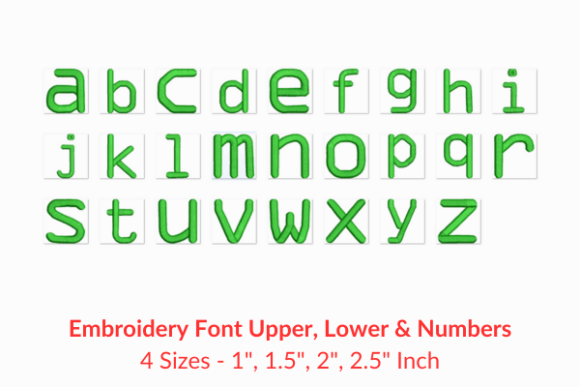
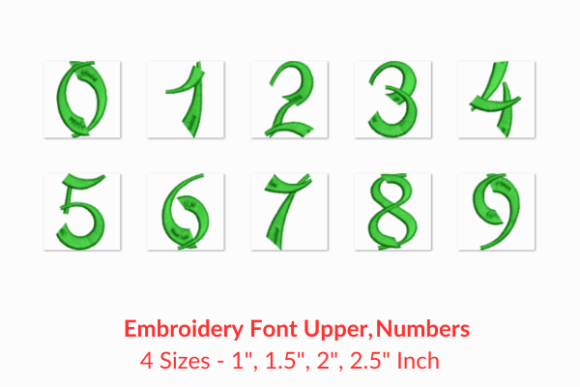
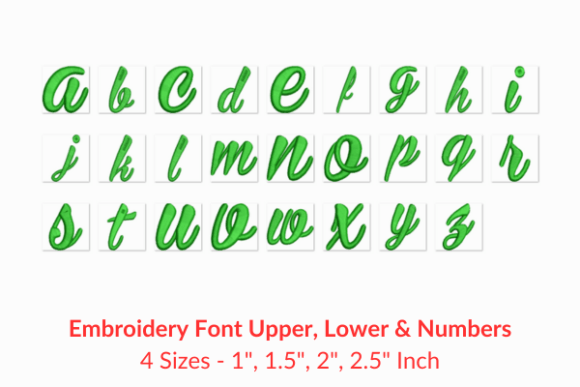
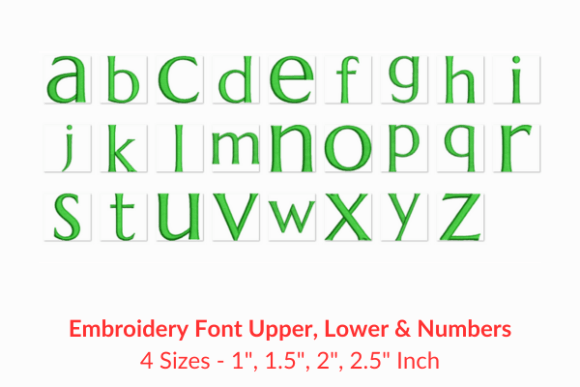
As an embroidery designer who has spent years translating digital concepts into tactile, stitched reality for small businesses, I know that the difference between a good product and a premium one often lies in the details. When we talk about branded merchandise, staff uniforms, or custom patches, typography is not just text—it is visual identity. Today, I am reviewing the Marcellus Fonts Embroidery Design, a high-quality font file intended to help designers personalize their work with names, dates, or quotes on any fabric.
This review is written specifically for small business owners, Etsy sellers, apparel decorators, and crafters who need reliable design assets that translate well from screen to hoop. We will look at how this embroidery file performs in real-world commercial applications, where it shines, and where you might encounter technical challenges.
First Impressions: Visual Personality and Brand Fit
The moment you load the Marcellus Fonts Embroidery Design into your digitizing software, the character of the typeface becomes apparent. Based on the title and the nature of serif-based fonts, Marcellus typically carries a classic, elegant, and slightly rustic feel. It does not scream for attention like a bold sans-serif; instead, it whispers with sophistication. This makes it an excellent choice for brands that want to project trust, heritage, and professionalism.
For a boutique bakery, a handmade jewelry shop, or a local florist, this font feels "handmade" yet refined. It bridges the gap between traditional craftsmanship and modern minimalism. When used for small business merch, such as tote bags or apron embroidery, it suggests that the creator cares about aesthetics and quality. It avoids looking cheap or overly decorative, which is crucial when you are trying to justify a higher price point for your custom apparel.
Real-World Business Applications
In my studio, I test every new machine embroidery design across various product categories before recommending it to clients. Here is how the Marcellus Font holds up in specific scenarios:
Branded Patches and Product Labels
One of the most popular uses for this font is creating embroidered patches for clothing seams or backpack accents. Because Marcellus has clear letterforms, it remains legible even when scaled down. If you are designing a label for a line of handmade candles or soaps, using this font on a small square patch adds a touch of elegance that customers associate with artisanal goods. It works particularly well for writing names or short quotes on these micro-labels.
Staff Uniforms and Aprons
For cafes, restaurants, or creative studios, uniformity builds brand recognition. The Marcellus Fonts Embroidery Design is ideal for chest logos or back prints on work shirts. Its classic style pairs beautifully with denim, canvas, or cotton twill. When stitching names onto apron embroidery, the font’s readability ensures that customers can easily identify staff members while feeling welcomed by the warm, professional aesthetic.
Caps and Tote Bags
Merchandise like caps and tote bags are walking billboards for your brand. A cap embroidery featuring Marcellus can look incredibly sophisticated if placed correctly on the front panel. Similarly, for a tote bag design, this font allows for longer phrases or quotes without cluttering the design. It maintains its integrity whether you are stitching a single word or a short sentence, making it versatile for event merch or customer gifts.
Technical Considerations and Limitations
While the aesthetic appeal is strong, no digital embroidery file is perfect for every situation. As a professional, I must highlight where caution is required.
- Small Patch Sizes: While generally legible, extremely small sizes (under 0.75 inches in height) may cause fine serifs to merge. Always check the spacing at reduced scales.
- Curved Surfaces: Stitching on the curved front of a cap can distort thin lines. You may need to adjust the underlay stitches to prevent puckering.
- High Stitch Density: If the font includes heavy outlines, it can become stiff and uncomfortable against the skin. For items like hats or collars, lighter density is preferable.
- Textured Fabrics: On rough fabrics like burlap or thick wool, the fine details of the font may get lost. Smooth fabrics like cotton or polyester blends yield the best results.
- Frequent Washing: For items that require frequent industrial washing, ensure the thread colors are colorfast. Dark uniforms may also hide lighter thread shades, reducing contrast.
Impact on Brand Identity and Customer Trust
Investing in high-quality commercial embroidery signals to your customers that you value detail. The Marcellus Fonts Embroidery Design contributes directly to this perception. When a customer sees a neatly stitched name on an apron or a clean logo on a tote bag, it enhances the perceived value of the finished product. It creates a sense of visual consistency across all your design assets, from your website to your physical packaging.
This level of polish fosters customer trust. In a crowded marketplace of handmade products, the difference between a printed sticker and an embroidered patch is significant. The texture and depth of embroidery, combined with a classic font like Marcellus, elevate your brand from "craft fair hobby" to "professional boutique."
Practical Designer Notes for Production
Before you commit to large production runs, follow these steps to ensure success:
- Test in Black and White: View the design in monochrome first. This helps you assess the balance and spacing without being distracted by color choices.
- Check Hoop Size: Confirm that your machine’s hoop size accommodates the largest dimension of your intended design. Digitize within the constraints of your equipment.
- Select Proper Stabilizer: The choice of stabilizer is critical. Use cut-away stabilizer for stretchy fabrics like jersey or knit caps to prevent distortion over time.
- Review Thread Color Contrast: Ensure there is sufficient contrast between the thread and the fabric. Light gray thread on white fabric will disappear, while bright neon may clash with the classic vibe of Marcellus.
- Create a Printable Mockup: Before stitching, create a printable mockup to show clients or visualize the final look on different materials.
- Confirm Commercial Licensing: Verify the licensing terms of the Marcellus Fonts Embroidery Design. Ensure you have the right to use it for selling finished goods, especially if you are a small business generating revenue.
- Test on Real Fabric: Digital previews do not account for fabric behavior. Always stitch a sample on the actual material you plan to use to check for puckering, tension issues, or thread breaks.
Final Verdict
The Marcellus Fonts Embroidery Design is a valuable addition to any designer’s library, particularly for those focused on School projects, educational merchandise, or classic-style branding. Its ability to convey elegance and professionalism makes it suitable for a wide range of Embroidery applications, from personal gifts to corporate branding.
By understanding its strengths and limitations, you can leverage this font to create memorable, high-quality products that resonate with your audience. Whether you are labeling your own handmade goods or fulfilling orders for clients, paying attention to these details will set your business apart. Remember, in the world of embroidery, the devil is in the details—and Marcellus handles them with grace.