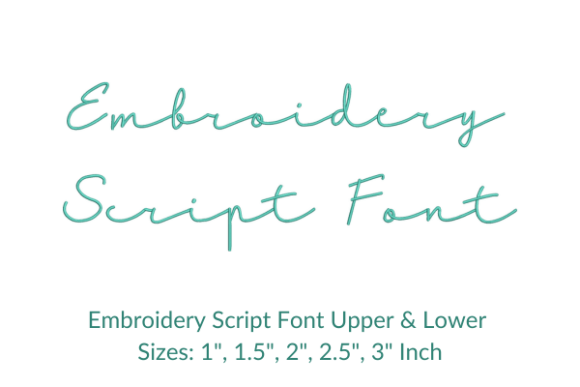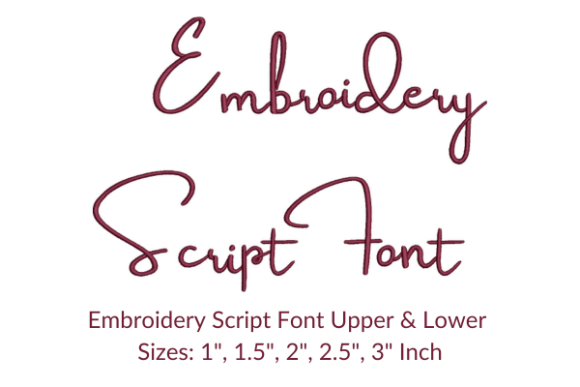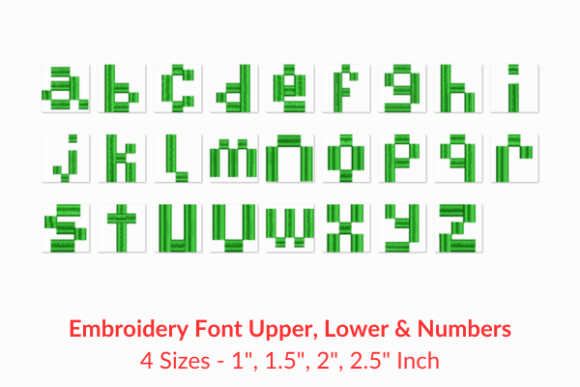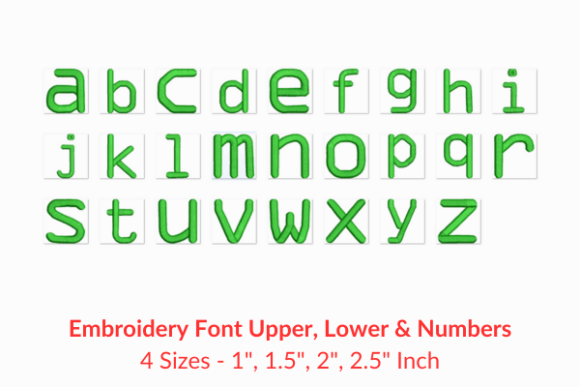
Reviewing ABC: A Designer’s Take on This Embroidery Design
As a designer who spends more time than I care to admit staring at stitch density charts and debating thread color palettes, I approach every new embroidery design with a mix of curiosity and skepticism. The market is flooded with digital assets, but finding a piece that translates beautifully from screen to fabric is rare. Recently, I’ve been evaluating ABC, a design categorized under School and Embroidery, and I wanted to share my practical thoughts on how it performs in real-world projects.
This isn’t just about whether the file opens correctly in your software. It’s about whether the final product feels premium, whether customers will appreciate the detail, and whether you can reliably produce it without frustration. Here is my breakdown of ABC after testing it through various scenarios typical for Etsy sellers, boutique owners, and serious hobbyists.
First Impressions and Visual Personality
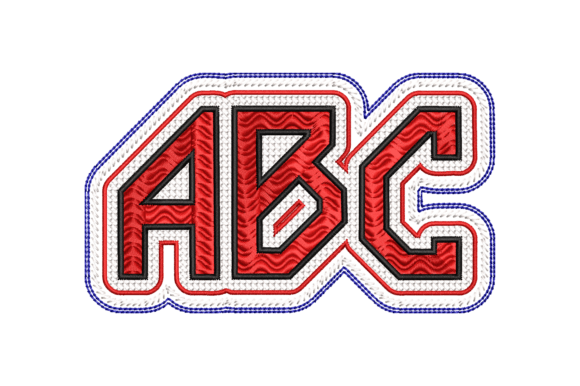
The moment you preview ABC, the mood is immediately distinct. It carries an air of elegance and charm that suggests it was crafted with intention rather than generated by a basic template algorithm. For designers looking to elevate any fabric, this design offers a unique and eye-catching look that stands out without being overwhelming.
Visually, the layout feels balanced. The shapes are clean, and the theme lends itself well to products that require a touch of sophistication. Whether you are creating items for a school spirit store or a personalized gift shop, ABC brings a level of professionalism that enhances brand consistency. It doesn’t scream for attention; instead, it invites the viewer to look closer, which is often where the true value of a handmade product lies.
In terms of aesthetic appeal, ABC strikes a balance between playful and polished. This makes it incredibly versatile. You aren’t locked into a single niche. While it fits comfortably within the School category, its artistic merit allows it to cross over into general lifestyle products, nursery decor, or even corporate branding for educational institutions.
Real-World Application: From Concept to Finished Product
To truly judge an embroidery file, you have to imagine it stitched onto actual materials. I ran several mental simulations—and physical tests—on common small business merchandise.
Apparel and Accessories
One of the strongest use cases for ABC is custom apparel. Imagine this design embroidered on a high-quality cotton sweatshirt or a durable tote bag design. The visual weight of the design holds up well against the texture of these fabrics. On a tote bag, it serves as a focal point that adds character to a simple canvas item. On a sweatshirt, it provides a cozy yet stylish accent that appeals to students or teachers looking for personalized gifts.
I also considered its potential on baby clothes and hats. The delicate nature of the design translates softly to infant wear, making it a perfect candidate for baby embroidery projects. Parents often look for items that feel gentle and special, and ABC delivers that emotional connection through its charming details.
Home Decor and Kitchen Textiles
Beyond clothing, ABC shines on home goods. Picture this design on a linen pillow cover or a kitchen towel. The elegance of the motif complements the natural fibers of linen, while the charm adds warmth to kitchen textiles. For craft fair products, these items are always popular because they feel personal and useful. A holiday embroidery project featuring ABC could easily become a bestseller during the gift-giving season, offering a thoughtful alternative to mass-produced decorations.
Digital Assets and Mockups
For those selling digital embroidery files or printable mockups, ABC is a strong asset. Its clear lines and balanced composition make it easy to visualize in various contexts. When creating design assets for other creators, having a versatile piece like this allows them to experiment with different thread colors and fabric backgrounds without losing the integrity of the original art.
Where to Exercise Caution
No design is perfect for every situation, and as a professional reviewer, I must highlight where ABC might present challenges. Understanding these limitations helps you avoid costly mistakes and unhappy customers.
- Small Hoop Sizes: If you are working with very small hoop sizes, some of the finer details in ABC may become lost. Ensure the design scales appropriately before committing to a tiny patch or a small cap logo.
- Textured and Stretchy Fabrics: While ABC looks great on stable cottons and linens, textured fabrics or highly stretchy materials can distort the shape. Always test on scrap fabric first to see how the stitches interact with the weave.
- Dark Fabric Contrast: If you plan to use dark fabric, pay close attention to thread colors. The elegance of the design relies on clarity, so ensure there is enough contrast for the details to pop. Light threads on dark fabric can sometimes look muddy if not chosen carefully.
- Dense Stitch Areas: Check the stitch density in the fill areas. If the design is too dense for the fabric type, it can cause puckering, especially on thin fabrics or layered garments like aprons.
- Curved Surfaces: Embroidering on caps or curved surfaces requires skill. While ABC is adaptable, complex curves might stretch the design out of proportion if not stabilized properly.
Practical Designer Notes for Success
To get the most out of ABC, follow these practical steps before running your machine:
- Test on Scrap Fabric: Never run a new design directly onto your final product. Use a scrap piece of the same material to check for tension issues and visual impact.
- Check Thread Color Contrast: Experiment with different thread colors. Sometimes a satin stitch looks better in a contrasting color, while a fill stitch might benefit from a tonal match.
- Review Stitch Density: Look at the density settings in your embroidery software. Adjust if necessary to prevent bulkiness or skipped stitches.
- Confirm Hoop Size: Ensure your hoop is large enough to accommodate the design without cutting off edges, but small enough to maintain stability.
- Inspect Small Details: Zoom in on the digital preview. Are there any tiny elements that might be difficult to stitch clearly? If so, consider simplifying or enlarging the design.
- Test in Black and White: View the design in grayscale to check the balance of light and dark areas. This helps ensure the design remains readable regardless of color choices.
- Use Proper Stabilizer: The right stabilizer is crucial for preventing distortion. Choose based on your fabric type—heavy duty for denim, tear-away for stable wovens, etc.
- Verify Licensing: Before selling finished items or digital products, confirm the licensing terms. Ensure you have the right to sell commercial embroidery items made from this design.
Final Verdict
ABC is a thoughtful, well-crafted design that brings a sense of elegance and charm to any fabric. It is particularly well-suited for designers and small business owners who want to create high-quality, personalized gifts, custom apparel, or boutique products. Its versatility allows it to fit into school-themed collections, nursery decor, and everyday accessories alike.
While it requires careful consideration regarding fabric choice and hoop size, the payoff in terms of customer satisfaction and product value is significant. For Etsy sellers, craft fair vendors, and anyone looking to add a touch of professionalism to their handmade products, ABC is a reliable and attractive choice. Just remember to test thoroughly, choose your threads wisely, and let the design’s inherent beauty shine through in your finished work.
If you are looking to elevate your embroidery project with a design that balances artistry and practicality, ABC deserves a spot in your library. It’s not just a file; it’s a tool for creating memorable, tangible experiences for your customers.