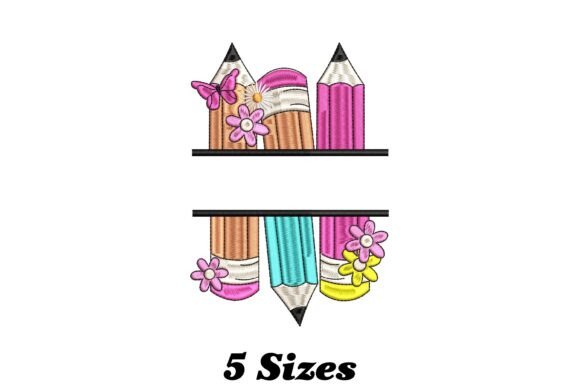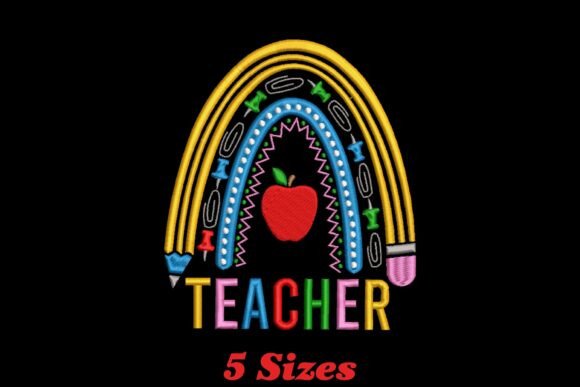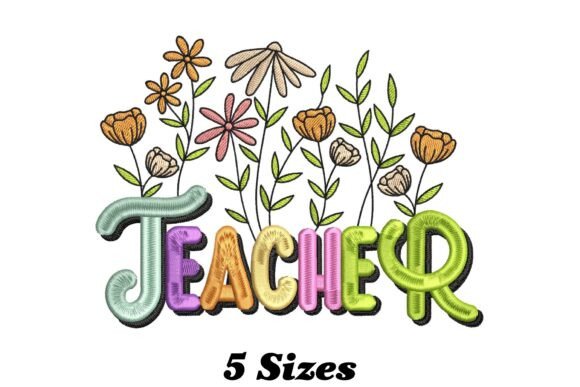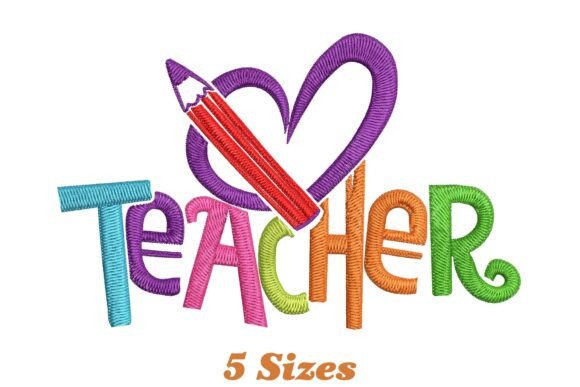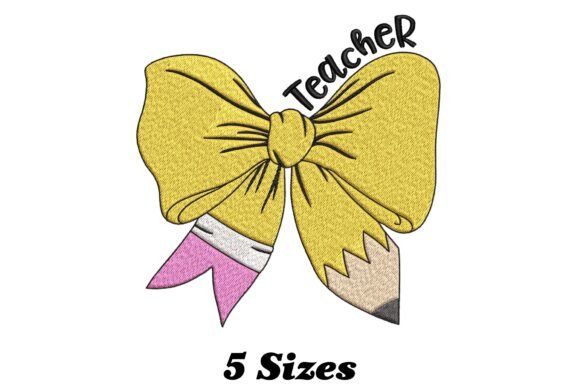
Teacher Pencil Bow Embroidery Design Review
As an embroidery designer who spends half my week at craft fairs and the other half digitizing for small business owners, I look at a design file and immediately ask: Will this sell? It is not enough for a design to be technically sound; it must have presence. It must stop a browser in their tracks on Etsy or catch the eye of a passerby walking down a busy aisle at a weekend market. Today, I am reviewing the Teacher Pencil Bow, a machine embroidery design that promises to bring a hint of elegance with a playful twist. This review breaks down exactly how this design performs as a commercial product, where it fits best in your inventory, and what you need to watch out for during production.
First Impressions: The Vibe Check
When you first load the Teacher Pencil Bow embroidery file into your hoop, the aesthetic is immediately clear. It strikes a balance between professional appreciation and whimsical charm. For craft fair sellers, this is a goldmine because it appeals to two distinct buyer psychologies: the sentimental gift-giver and the proud educator looking for self-expression. The description highlights "elegance" paired with a "lively, quirky touch." In practical terms, this means the design likely avoids being overly cartoonish while still feeling fun and approachable. It feels modern yet timeless, which is crucial for handmade products that need to remain relevant beyond a single school year.
The visual appeal lies in its versatility. It does not scream for attention with neon colors or chaotic shapes; instead, it invites closer inspection. This subtlety is what allows it to work as a boutique maker’s staple. Whether you are targeting Etsy sellers looking for digital assets or physical craft fair products for your booth, this design has the kind of quiet confidence that translates well into higher perceived value. It feels premium, suggesting that the finished item is worth more than a generic mass-produced alternative.
Product Applications: Where It Shines
Not every embroidery design works on every surface. To maximize your sales potential, you need to know where the Teacher Pencil Bow stands out most. Based on my experience producing handmade products for markets, here is where this design earns its keep:
- Tote Bags and Market Totes: This is arguably the strongest application. A tote bag design featuring the Teacher Pencil Bow creates an instant brand identity for educators. When placed on the front pocket or centered on a canvas tote, it photographs beautifully for online listings. Customers love items they can use daily, and a sturdy tote with this design becomes a walking billboard for your shop.
- Apron Embroidery: For the kitchen-savvy teacher or the home-ec enthusiast, stitching this onto a linen apron adds a touch of farmhouse chic. The design’s playful nature softens the utilitarian look of an apron, making it a perfect gifted handmade item for back-to-school season or Teacher Appreciation Week.
- Tea Towel Embroidery: Kitchen textiles are high-margin, low-return items. The tea towel embroidery market is competitive, but designs with personality win. The Teacher Pencil Bow offers a lively accent that looks great against neutral backgrounds like cream, sage green, or navy blue. It is repeatable, meaning you can batch-produce these efficiently for your booth display.
- Embroidered Patch and Caps: If the design is compact enough, it translates exceptionally well to an embroidered patch for backpacks or laptop sleeves. On caps, however, caution is required. Curved surfaces can distort smaller details, so test this carefully before committing to a large run of hats.
- Pillow Covers and Home Decor: For boutique makers focusing on interior accents, this design adds a personal touch to nursery pillows or classroom decor. It fits seamlessly into a "School" category without feeling childish, appealing to older students and teachers alike.
Production Practicality and Booth Strategy
From a production standpoint, efficiency is king. A small shop product needs to be easy to stitch to maintain healthy profit margins. The Teacher Pencil Bow appears to be designed for clarity, which usually implies a manageable stitch count and logical color changes. However, as an experienced designer, I always advise checking the stitch density closely. If the pencil or bow elements contain tiny details, they may require a finer needle and stable fabric to prevent thread breaks or loss of definition.
When setting up your craft fair booth, visual hierarchy matters. Place your finished product samples where the light hits them naturally. A tote bag with this design hanging at eye level draws people in. Pair it with a sign that reads "For the Educator Who Has Everything" or "Quirky & Elegant Classroom Essentials." The design’s ability to serve as both a focal point and a subtle accent makes it flexible for different display strategies. You can offer it as a small accent on a keychain or as a large focal design on a pillow cover, catering to different price points.
Photography is another critical factor. Because the design relies on "elegance," it will photograph well against clean, minimalist backgrounds. Use natural light to highlight the texture of the threads. Ensure your printable mockup files accurately represent the scale, so customers ordering online know exactly what they are getting. Consistency between your physical booth samples and your digital listings builds trust and reduces returns.
Careful-Use Notes for Quality Control
Before you commit to a full production run, there are several technical checks you must perform. First, inspect the thread colors. High contrast is essential for readability. If you are stitching on dark fabric, ensure the thread selection provides enough pop. Conversely, on light fabrics, avoid tones that blend too seamlessly unless the effect is intentional.
Pay close attention to fabric texture. While cotton and canvas are forgiving, textured towels or thick denim can cause the design to sink in or appear uneven. Always test on scrap fabric from the same lot as your final product. If the design includes small lettering or intricate lines within the pencil or bow, verify that the hoop size and stabilizer choice support those fine details. Under-stabilized areas often lead to puckering, which ruins the elegant finish you are aiming for.
Another common pitfall is scaling. Never assume a design looks good at any size. If you plan to offer this as a digital embroidery file for others to use, clearly state the recommended dimensions. Designs that lose clarity when shrunk too small should not be marketed as versatile. Confirm that the commercial licensing allows you to sell the finished goods. Many digital designers restrict resale rights, so protecting your business means reading the fine print before you start stitching.
Final Verdict: Is It Worth Adding to Your Inventory?
The Teacher Pencil Bow is a strong contender for any embroidery entrepreneur’s catalog. It bridges the gap between functional and decorative, offering a product that feels thoughtful and stylish. Its suitability for a wide range of items—from market bags to apron embroidery—makes it a reliable asset for seasonal sales events. The design’s playful yet elegant mood ensures it appeals to a broad audience, increasing your chances of converting browsers into buyers.
For creative entrepreneurs looking to expand their design assets, this piece offers excellent versatility. Just remember that success in the handmade market comes down to execution. Test your materials, respect the limits of the digitization, and present your work with pride. When done right, a simple design like the Teacher Pencil Bow can become a bestseller that defines your brand’s voice at every craft fair and online store.