SweetRose Font Review for Boutique Apparel
As an embroidery designer who has spent years refining the look of custom apparel, I am always on the hunt for digital files that bridge the gap between a simple text element and a statement piece. When browsing Creative Fabrica for my latest collection, SweetRose Font caught my eye immediately. It promises to be a high-quality embroidery font designed to help you personalize your designs with names, dates, or quotes. But does it hold up when applied to real-world boutique projects? After testing this machine embroidery design in my studio, I have some honest thoughts on how it fits into the world of handmade fashion.
The Visual Personality of SweetRose Font
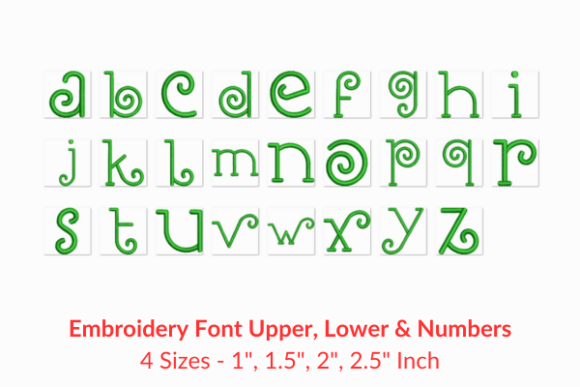
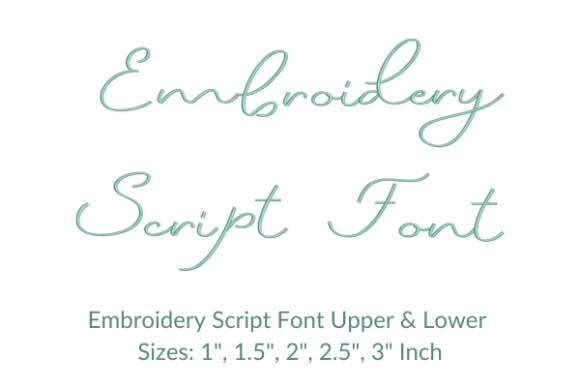
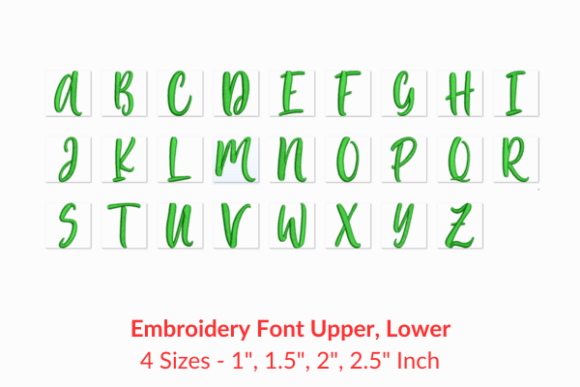
When I first opened the file, the visual personality of SweetRose Font was instantly recognizable. It strikes a balance between playful and polished. The letterforms feel soft yet structured, making them perfect for brands that want to appear approachable without looking unprofessional. Unlike blocky sans-serifs that can feel cold, this font carries a feminine warmth that works beautifully for lifestyle products. Whether you are aiming for a rustic vibe or a trendy modern aesthetic, the decorative strength of this design allows it to stand out as a premium touch.
This typeface is not just about writing words; it is about setting a mood. For a collection of cozy seasonal outfits, the rounded edges of the letters mimic the comfort of the fabric itself. It feels like a natural choice for a boutique brand that values emotional connection with its customers. The stitch density appears balanced, ensuring that the design will not pucker delicate fabrics while still maintaining enough body to look bold on heavier materials.
Ideally Suited for Sweatshirts and Hoodies
One of my favorite ways to use SweetRose Font is for sweatshirt embroidery. There is something inherently inviting about a personalized name stitched onto a neutral sweatshirt. The texture of the fleece provides a wonderful canvas for the thread colors, allowing the design to pop without overwhelming the garment. I envision this font used for chest placement on pastel hoodies, where the soft hue of the fabric complements the gentle curves of the letters.
For oversized garments, which are currently dominating the market, this font offers excellent versatility. You can stretch the design across the back of a hoodie for a large, impactful statement, or place it on the sleeve for a subtle accent. The legibility remains strong even at larger sizes, making it ideal for creating unique merchandise for small clothing brands. Imagine a line of custom t-shirts featuring names written in this style; they would feel like wearable art rather than mass-produced items.
Expanding Beyond Apparel
While sweatshirts are a primary use case, the potential applications extend far beyond standard wearables. This machine embroidery design is equally effective on tote bags, adding a professional finish to everyday carry items. For denim jackets, the contrast between the rugged fabric and the refined stitching creates a striking visual interest. I also see great potential for using SweetRose Font on accessories like hats or scarves, where the personalization adds significant value to the finished product.
For Etsy sellers and creative entrepreneurs, this font is a powerful tool for branding. A consistent font choice across all your listings helps build buyer trust and product recognition. When you upload printable mockups to your shop, the clean lines of this design ensure that your digital images look sharp and appealing. It elevates the perceived quality of your handmade product, signaling to customers that attention to detail matters.
Strategic Placement and Design Considerations
While SweetRose Font is versatile, every experienced designer knows that context is everything. There are specific areas where you must exercise caution. Small chest placements require careful scaling; if the letters are too small, the intricate details might get lost or cause the fabric to bunch. Dense stitch areas should be avoided on stretchy fabrics like jersey, as the tension from the threads could cause the garment to warp over time.
Dark garments present a unique challenge. While the design is beautiful, the thread color contrast is critical. On black or navy fleece, you may need to choose lighter, vibrant thread colors to ensure the text is readable. Similarly, when working with ribbed fabric, such as cuffs or collars, the curvature can distort the lettering if the design is not adjusted properly. Tiny lettering on curved surfaces often looks better with simpler fonts, so save SweetRose Font for areas with more room to breathe.
Impact on Brand Identity and Value
In the world of commercial embroidery, the font you choose directly influences the value of your product. A generic font can make a custom item feel cheap, but a well-chosen typeface like SweetRose Font suggests exclusivity. It enhances visual consistency across your catalog, making your shop look cohesive and professional. This level of polish encourages customer engagement and repeat business.
When buyers see a high-quality embroidery file used on their custom hoodie, they feel a sense of pride in owning a unique item. This emotional connection is what drives sales for small shop products. By integrating this design into your workflow, you are not just selling a garment; you are selling a personalized experience. The design supports a narrative of care and craftsmanship, which is essential for building a loyal customer base.
Practical Notes for the Embroidery Designer
Before committing to a full production run, there are several practical steps every creator should take. First, always test on scrap fabric that matches the weight and texture of your final project. This helps you gauge how the SweetRose Font interacts with different materials. Check your stabilizer choice carefully; a cut-away stabilizer is usually best for sweatshirts to prevent puckering, while tear-away might suffice for stable fabrics like cotton tees.
Review the thread color contrast before starting the machine. Ensure that the chosen colors provide enough visibility against the background fabric. Confirm the hoop size required for your design to avoid unnecessary trimming or re-hooping during the process. Inspect the stitch density within the file; if it seems too heavy for a specific fabric, you may need to adjust the settings or reduce the scale slightly.
It is also vital to compare placement options visually. Try laying out the design on a mockup to see how it looks on the actual garment shape. Finally, always check the Creative Fabrica product details and licensing terms before selling finished apparel. Understanding the commercial rights ensures that your business remains compliant and protected.
Final Thoughts on Personalization
SweetRose Font represents a solid addition to any embroidery designer's toolkit. Its blend of charm and readability makes it suitable for a wide range of projects, from school-themed events to high-end boutique collections. Whether you are designing for an online shop or creating one-of-a-kind gifts, this digital embroidery file offers the flexibility needed to bring your creative vision to life. By paying attention to fabric selection and placement, you can leverage this design to create stunning, professional-grade custom apparel that stands out in a crowded marketplace.