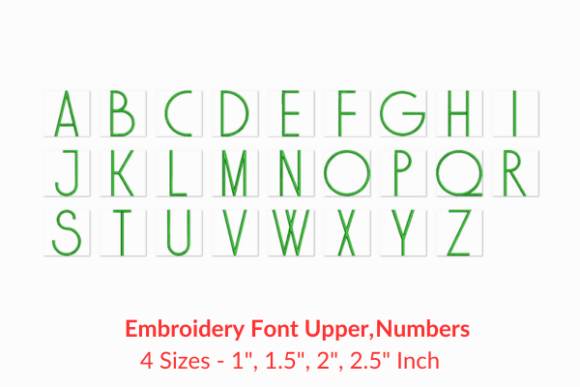
Mochi Font Review for Seasonal Embroidery Products
As an embroidery designer, I spend a significant portion of my year planning ahead. The clock is always ticking toward the major holiday seasons, and every machine embroidery design needs to serve a purpose in my upcoming product lines. Recently, I reviewed a digital file titled "Mochi Font" from the School category, and I want to share my professional assessment on how this embroidery file fits into seasonal collections, holiday gifting strategies, and small business inventory planning.
The First Impression: Mood and Aesthetic
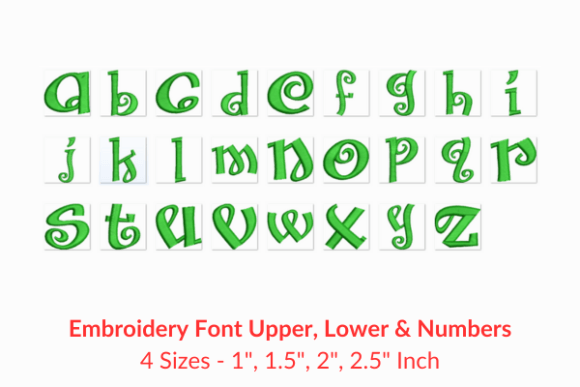
When you open a new font file, the first thing I evaluate is the emotional tone. Does it feel festive? Cozy? Elegant? The Mochi Font carries a distinct personality that leans heavily into the playful and cute aesthetic. It has a rounded, soft quality that feels nostalgic yet modern. This is not a rigid, formal script; it is approachable and friendly.
For seasonal products, this mood is incredibly valuable. During the winter holidays, shoppers are often looking for items that evoke warmth and joy. A font with soft edges creates a sense of comfort, making it ideal for family-oriented gifts. Whether you are creating matching pajama sets for siblings or personalized ornaments for grandparents, the visual language of Mochi Font communicates care and attention to detail. It strikes a balance between rustic charm and contemporary cuteness, which appeals to a broad demographic of Etsy sellers and handmade gift makers.
Seasonal Application: Where Does It Fit?
I have been testing this design across various fabric types to see where it performs best for holiday drops. Here is how I see it fitting into specific product categories:
- Sweatshirt Embroidery: The soft curves of the font work beautifully on fleece and cotton blends. For holiday sweatshirts featuring names or short phrases like "Cozy Season," the font adds a touch of whimsy without overwhelming the garment.
- Tote Bag Design: Canvas totes are staples for holiday market stalls. Using Mochi Font for custom names or dates on these bags creates a practical yet stylish accessory. The high contrast often achievable with this font style ensures readability even from a distance.
- Kitchen Towel Embroidery: Personalized kitchen linens are top sellers during the fall and winter. Names embroidered on tea towels make excellent hostess gifts. The font’s legibility at smaller sizes makes it perfect for single-word personalizations.
- Pillow Cover Accents: For home decor, I recommend using this font for monograms or short quotes. Placed centrally on a neutral linen pillow, it becomes a focal point that enhances the room's festive atmosphere.
- Embroidered Patch: Creating iron-on patches with holiday themes is a growing trend. The clean lines of this font translate well to patch work, allowing customers to attach them to jackets or backpacks.
- Baby Items: For baby showers or newborn gifts, the gentle aesthetic of Mochi Font is unmatched. It pairs well with soft pastels and delicate fabrics, making it a safe choice for nursery decor or onesies.
Performance in Real Selling Situations
From a marketing perspective, the right typography can significantly boost conversion rates. When I create product mockups for social media previews, the font must be instantly recognizable. Mochi Font offers strong visual recognition due to its unique character shapes. In limited edition apparel listings, this distinctiveness helps your brand stand out in a crowded marketplace.
Furthermore, this design supports brand consistency. If your shop focuses on cute, personalized gifts, incorporating Mochi Font into your branding materials—such as printable mockups or tags—reinforces your identity. Customers associate the font with the quality and style they expect from your small shop product. During holiday shopping periods, when buyers are overwhelmed with choices, familiar and appealing typography can be the deciding factor in their purchase.
Giftability and Emotional Connection
Holiday shoppers are driven by emotion. They want to give gifts that show thoughtfulness. A personalized gift featuring a well-chosen font conveys effort. When a customer sees their child’s name or a cherished quote rendered in Mochi Font, they perceive higher value. This perception of quality builds customer trust and encourages repeat business. The font’s versatility allows for creative combinations, such as pairing it with simple icons or borders, further enhancing the perceived value of the finished product.
Technical Considerations and Best Practices
While the aesthetic appeal is strong, an experienced designer knows that execution is key. Before adding Mochi Font to your commercial embroidery catalog, there are several technical factors to consider.
Fabric and Thread Selection
The performance of any digital embroidery file depends heavily on the materials used. I strongly advise testing thread colors on both light and dark fabrics. The font’s details may require different thread weights to maintain clarity. On textured fabrics like heavy denim or terry cloth, ensure that the stitch density is sufficient to prevent the fabric texture from showing through the lettering. Conversely, on smooth silks or satins, too much density can cause puckering.
For holiday projects involving metallic threads, exercise caution. Metallic threads can be brittle and may break if the pathing of the font requires sharp turns. Always run a test stitch-out to check for tension issues.
Hoop Size and Stability
One critical aspect to verify is the hoop size. If you plan to embroider large names or long quotes, ensure your machine can accommodate the required area. For smaller items like ornaments or cufflinks, confirm that the font remains legible at reduced scales. Tiny lettering can lose its charm if the details become muddy.
Using the proper stabilizer is non-negotiable. For stretchy garments like sweatshirts, a cut-away stabilizer provides the necessary support to prevent distortion. For woven fabrics like kitchen towels, a tear-away might suffice, but a water-soluble topping can help preserve the crispness of the stitches, especially on fluffy textures.
Detail Verification
After stitching, always review small details. Zoom in on the curves and intersections of the letters. Are there any gaps? Is the spacing consistent? If the font includes decorative elements, ensure they align properly with the text. This quality control step is essential for maintaining a premium reputation.
Strategic Planning for Sellers
To maximize the potential of Mochi Font, plan your color palettes carefully. Holiday seasons offer rich opportunities for thematic coloring. Think deep reds, forest greens, golds, and icy blues. Create matching sets where the same font is used across different products—for example, a sweatshirt, a matching tote bag, and a set of kitchen towels. This cohesive look increases the average order value and strengthens your brand presence.
Additionally, remember to confirm commercial licensing before selling finished seasonal products. Ensure that the license terms allow for the sale of physical goods created using this file. This protects your business and ensures ethical use of the design assets.
Final Thoughts
Mochi Font is a versatile and charming addition to any embroidery designer’s toolkit. Its playful yet elegant style makes it suitable for a wide range of seasonal applications, from cozy home decor to personalized apparel. By paying attention to technical details like stitch density, fabric choice, and stabilizer use, you can create high-quality products that resonate with holiday shoppers.
Whether you are an established Etsy seller or just starting your journey in commercial embroidery, this font offers the flexibility to meet diverse customer demands. Test it thoroughly, experiment with different color combinations, and watch how it elevates your handmade gift offerings. With careful planning and execution, Mochi Font can become a staple in your seasonal product collection, driving engagement and sales during the busiest time of the year.